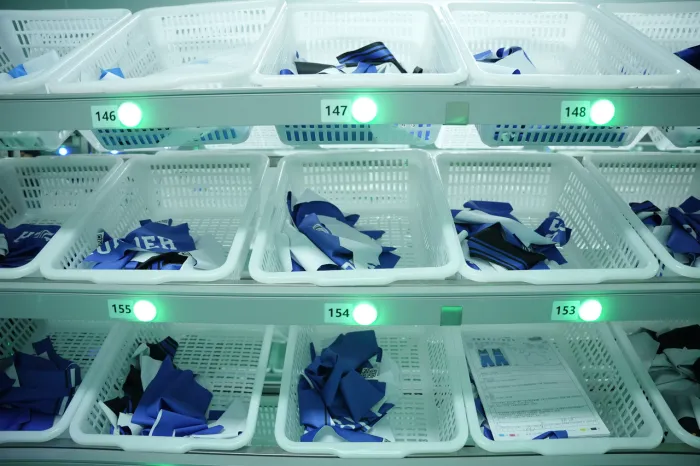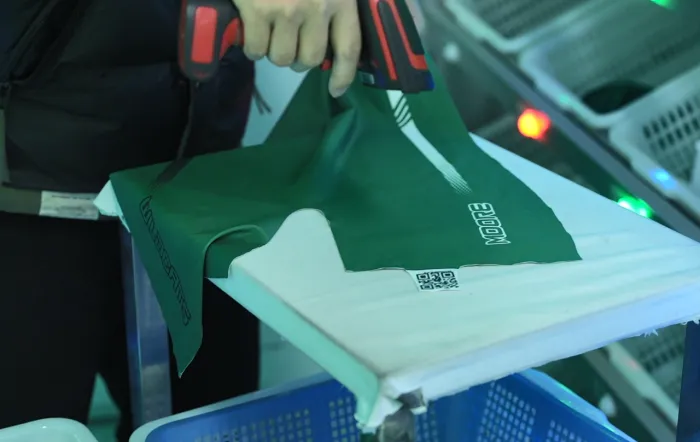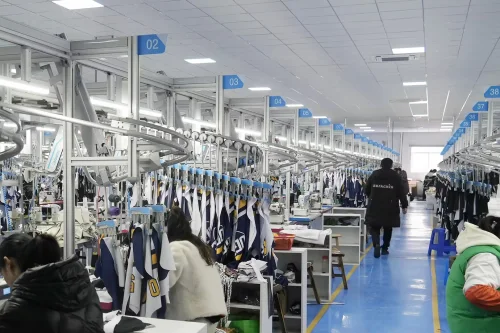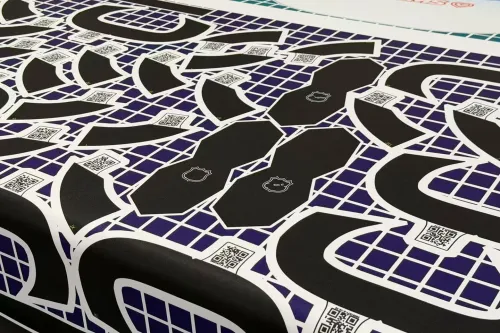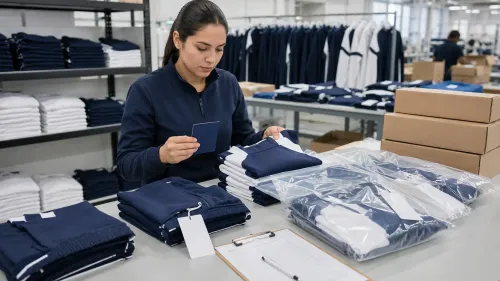
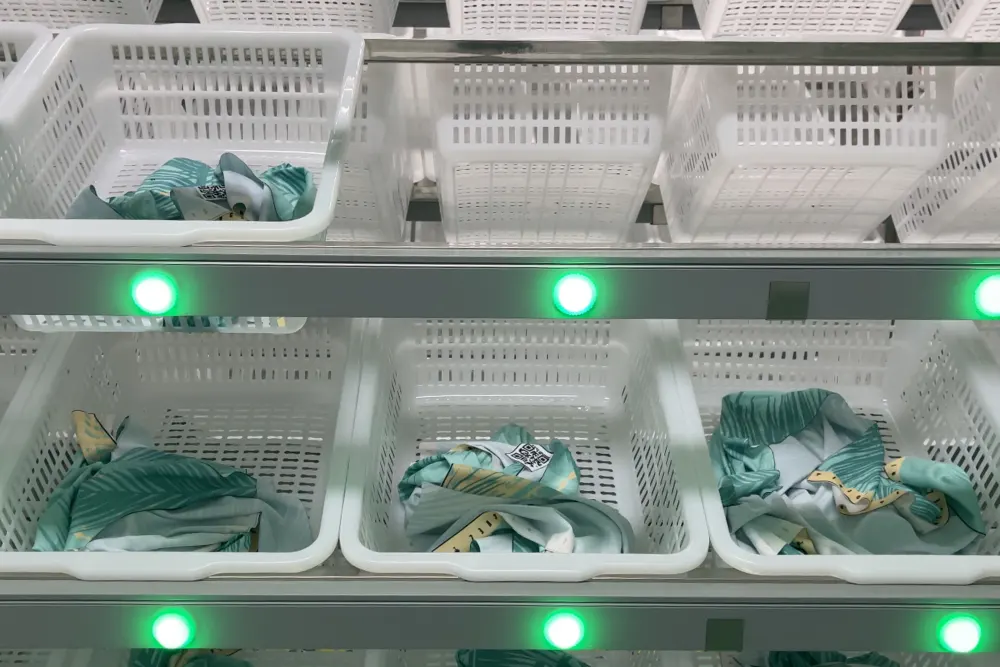
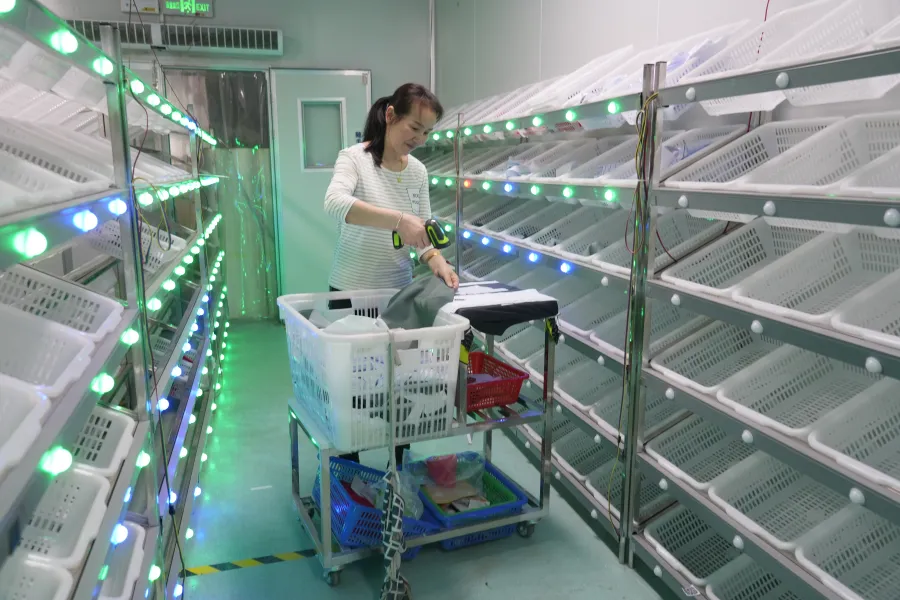
Visual systems and human operators serve different roles in a reliable sportswear QC workflow.
AI vision quality control is increasingly used in sportswear manufacturing to compare what a camera sees with an approved visual standard. It can inspect repeated, image-based conditions at line speed: a print is present, a logo sits in the expected area, a seam pattern appears continuous, a label is readable, or a garment has been routed to the correct path.
That does not make AI vision a substitute for a quality team. A camera cannot feel fabric hand, judge whether stretch recovery is appropriate for the intended sport, interpret an ambiguous buyer approval, or decide whether a visible variation is acceptable in the commercial context of a custom order. The strongest model is AI vision for repeatable visual checks, with trained people responsible for specification interpretation, physical evaluation, exceptions, and final release.
What AI Vision Quality Control Actually Does
AI vision combines controlled lighting, cameras, image capture, and software trained or configured around approved product conditions. In textile and garment applications, a system may learn the normal appearance of a fabric, print, pattern, component location, or label. It then flags an image that differs enough from the approved reference or accepted variation.
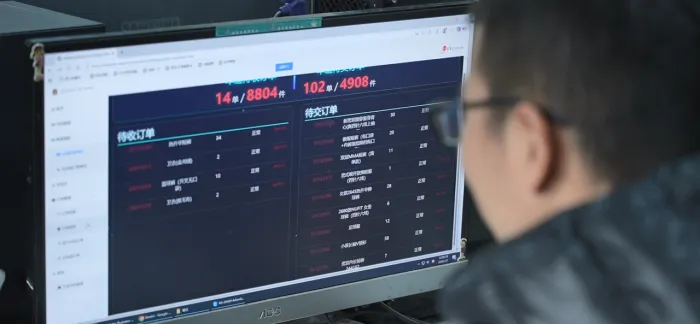
The output is usually a signal, image record, pass/fail result, or exception queue—not a complete quality decision by itself. Whether a flag is useful depends on the camera angle, image resolution, lighting, garment presentation, reference samples, threshold setting, and the defect types the system was prepared to detect.
What AI Visual Inspection Can Check Well
| Visual check | Typical buyer value | What must be defined first |
|---|---|---|
| Print, pattern, logo, number or name presence and placement | Helps flag obvious missing, misplaced, skewed, or visually inconsistent elements. | Approved artwork, placement rules, acceptable variation, viewing angle and product version. |
| Visible stitching and seam anomalies | Supports repeatable review of visible breaks, missed stitches, skipped areas, or alignment issues. | A clear definition of the stitch pattern, product presentation and inspection zone. |
| Surface anomalies | Can flag visible stains, holes, tears, foreign particles, print defects, or unexpected texture changes. | Lighting, fabric-specific references, image quality and an agreed defect taxonomy. |
| Label, size tag, lot code or QR-code readability | Supports traceability and helps prevent identity or sorting mismatches. | The correct code/label data, scan method, pass rule and exception route. |
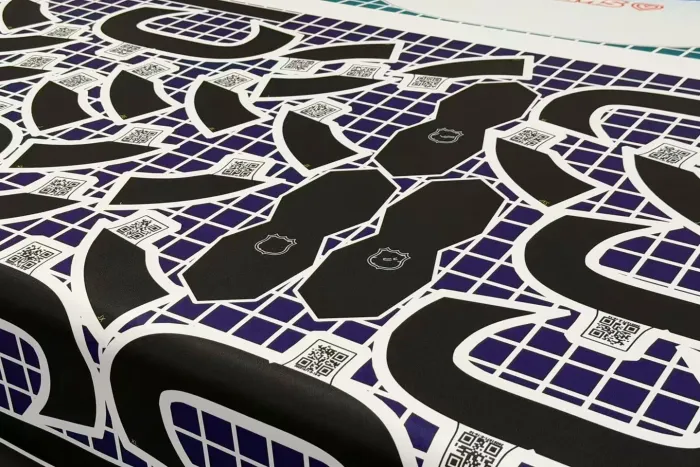
| Component and cut-panel position | Helps verify visible assembly or placement against an approved reference. | A stable camera view, approved pattern/placement reference and product-specific tolerances. |
These are capabilities, not automatic promises. A system trained for one fabric, print design, or camera setup may not perform the same way on a new material, dark-on-dark artwork, reflective trim, mesh, highly elastic construction, or a different garment orientation without validation.
What AI Vision Cannot Replace
AI visual inspection is limited to what the imaging system can capture and what its quality rule can define. It cannot replace physical testing, informed judgement, or buyer-approved acceptance criteria.
Hand feel, softness, thickness and drape: these are tactile and use-case judgements, not simple image features.
Stretch, recovery and seam performance: a camera may see a seam; it does not establish how the garment behaves under wear or load without an appropriate physical test.
Color acceptance in all conditions: image-based comparison is affected by lighting, camera calibration, screen rendering and material reflectance. Color standards and approvals still matter.
Fit and wearer comfort: visual dimensions are not the same as fit across bodies, movements and sport-specific needs.
Commercial interpretation: a system cannot decide whether a buyer will accept a borderline visual difference, a substitute trim, or a revised artwork version.
Root-cause correction: a flagged image identifies an exception; people still investigate whether the cause is artwork, printing, cutting, sewing, handling, equipment, or the inspection setup.
For this reason, “AI QC” should never be accepted as a stand-alone answer to a buyer’s quality question. Ask which visual characteristics are checked automatically, what the human inspection covers, and what happens when the two results disagree.
How Human QC Complements the Camera
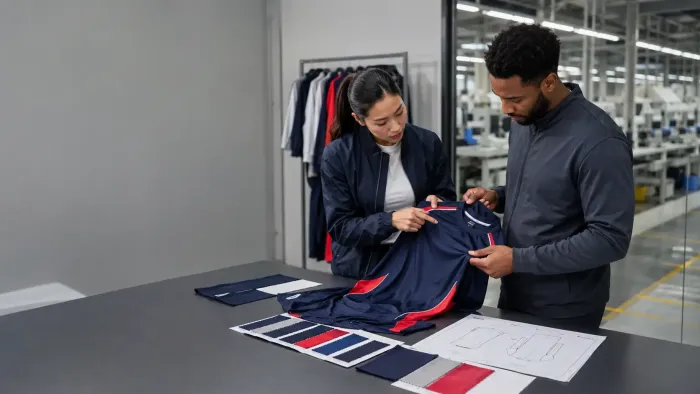
Human inspectors add context at three points. First, they help define the approved standard: the sample, artwork revision, color reference, measurement specification, and acceptable visual variation. Second, they review exceptions that a camera flags and decide whether the image reflects a genuine defect, an acceptable material characteristic, or a false alarm. Third, they perform physical and commercial checks beyond the camera’s field of view.
In custom teamwear, human QC is especially important when a buyer’s order combines personalized data with construction and appearance requirements. An operator can compare a garment against the approved roster, inspect how a print sits on a stretch area, assess a fabric issue by touch, check packing logic, and escalate a borderline result to the relevant technical owner.
The goal is not to make people repeat every visual check manually. It is to use the camera for consistency and coverage, then reserve skilled human attention for judgement, tactile checks, exceptions, and release decisions.
Tonton Manufacturing Knowledge: Make the QC Plan Match the Approved Order
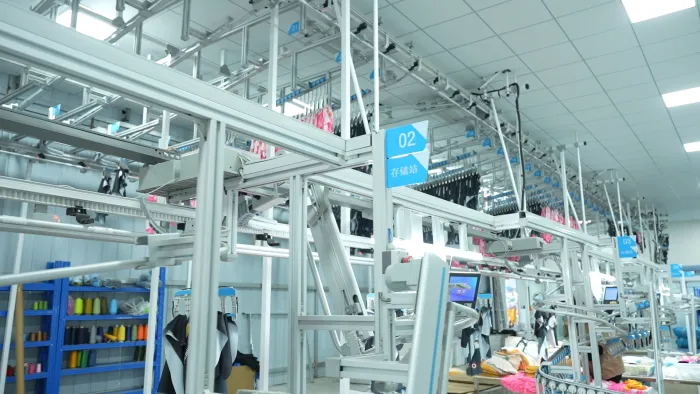
Tonton states that its machine-vision technology monitors stitching and printing accuracy as part of an AI + human QC process. Its published service flow also requires final written authorization before manufacturing begins. For a buyer, the important control is the connection between the approved order and the inspection reference: the correct artwork version, roster, sizes, fabric, decoration, cut-panel placement, label, and packing rules must be locked before visual checks can be meaningful.
In practice, an AI system can compare production images to a reference, but it cannot determine which reference is commercially correct if the buyer has not controlled versions. If a sponsor logo changes after approval, if the roster spreadsheet contains two versions, or if a fabric substitution is accepted verbally but not recorded, both automated and human inspection can be checking against the wrong target.
Recommended: include a visual-inspection section in the specification: inspection zones, approved artwork version, color reference, label data, personalization file, defect examples, and escalation contacts.
Recommended: require a clear exception path: detection, image record, human review, correction decision, recheck, and final release.
Recommended: ask how the system is validated when a new fabric, print, colorway, trim, or construction is introduced.
Not recommended: treating a camera result as proof that fit, fabric performance, stretch, color under every light, or final customer acceptance has been verified.
Not recommended: approving bulk before the product specification and approved reference materials are version-controlled.
What Buyers Should Ask a Sportswear Supplier
Which defects or attributes does the visual system inspect for this specific product?
At which production stage is the image captured: fabric, print, cut panels, sewing, final garment, packing, or more than one stage?
What approved sample, artwork, color reference, measurement specification, or data file is used as the reference?
How are new fabrics, colorways, reflective materials, mesh, or new constructions validated before bulk use?
Who reviews camera exceptions, and who has authority to accept, rework, hold, or release an item?
Which checks remain manual or physical, such as hand feel, stretch, measurement, fit, packing, and final roster verification?
Can the supplier provide project-level inspection evidence, exception records, or a QC summary appropriate to the order?
Useful answers are specific to your product. “We use AI” is a technology statement; it is not yet a quality plan. The quality plan should identify the inspection point, reference standard, decision owner, exception route, and buyer evidence.
Editorial note from Tonton Sportswear Editorial Team: Reviewed with input from a Technical Production Advisor. AI vision is strongest when it is tied to a controlled reference and used alongside human judgement, physical checks, and documented release criteria.
Discuss a QC plan for your custom sportswear order with Tonton Sportswear. Share your sport, product, fabric, decoration, personalization requirements, quantity, target market, and required evidence before bulk production.
AI Vision Is a Control Layer, Not a Replacement for Quality Ownership
AI visual inspection can improve consistency for defined, visible, repeatable checks in sportswear manufacturing. It can help teams detect anomalies sooner, record what was seen, and focus human attention where it has the most value. It cannot replace an approved specification, a relevant physical sample, human interpretation, physical testing, or accountability for corrective action.
For buyers, the best question is not “Does the factory use AI?” It is “What does the system inspect on my order, what does a person inspect, and how are exceptions documented and resolved?”
Frequently Asked Questions
1. Can AI vision inspect every defect in sportswear?
No. It can inspect defined, visible conditions that the camera can capture and the system can compare with an approved reference. Tactile, performance, fit, commercial-acceptance, and root-cause questions still require human or physical evaluation.
2. What defects can AI visual inspection find in garments?
Depending on the system and validation, it can flag visible print, pattern, placement, stitching, surface, label, code, and component-position anomalies. The actual scope must be confirmed for the product, fabric, image setup, and reference standard.
3. Does AI vision replace manual garment inspection?
No. It complements human QC by performing repeatable image-based checks. Human inspectors still define standards, assess tactile and use-case characteristics, review exceptions, perform physical checks, and make release decisions.
4. Why does the approved sample matter for AI QC?
The system needs a correct reference. If the artwork, fabric, colorway, label data, or specification is not version-controlled, the system may compare production against the wrong target.
5. What QC evidence should a custom sportswear buyer request?
Request the approved specification and reference version, inspection scope, human-QC scope, exception process, and project-level records or summary appropriate to the order. Also clarify what physical or fit checks remain outside visual inspection.